

Repair Sinking Foundation: Your Guide to Fixing a Sinking Foundation

A sinking foundation can be a homeowner’s nightmare. It threatens the safety and value of your home. When you notice cracks in walls, uneven floors, or doors that won’t close properly, it’s time to act. I want to share what I’ve learned about identifying and repairing a sinking foundation. This guide will help you understand the problem and the steps you can take to protect your home.
Understanding the Signs and Causes of a Sinking Foundation
Before diving into repairs, it’s important to recognize the signs of a sinking foundation. Common symptoms include:
Cracks in the walls, especially near windows and doors
Gaps between walls and ceilings or floors
Doors and windows that stick or won’t close properly
Uneven or sloping floors
Cracks in the exterior foundation walls
These signs often point to soil movement beneath your home. The soil can shift due to moisture changes, poor drainage, or natural settling. In Dallas and surrounding communities, clay soil is common, which expands when wet and shrinks when dry. This cycle can cause your foundation to sink or shift.
Understanding the cause helps in choosing the right repair method. For example, if poor drainage is the issue, fixing gutters and grading around your home can prevent further damage.
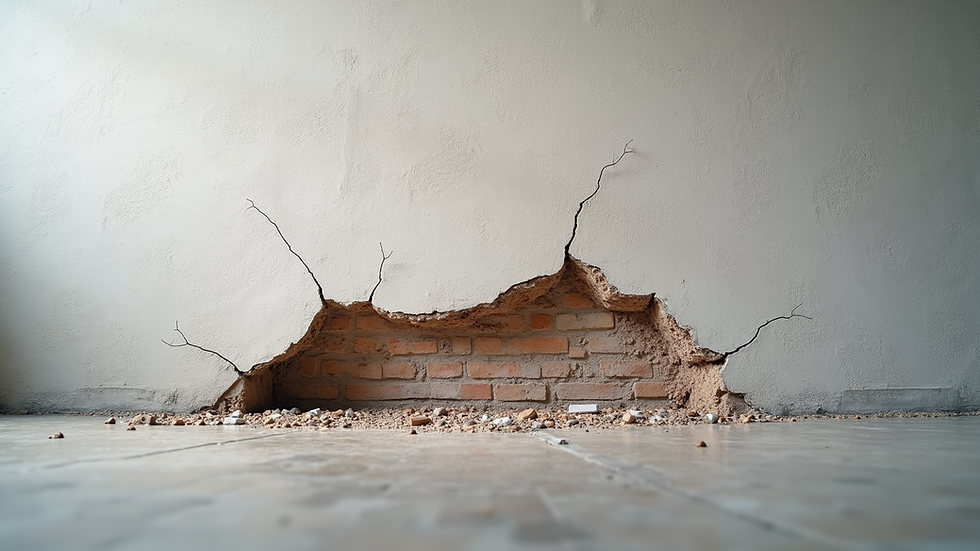
How to Repair Sinking Foundation: Practical Steps
Repairing a sinking foundation requires a careful approach. Here are the main methods used to stabilize and lift a sinking foundation:
Piering or Underpinning
This involves driving steel or concrete piers deep into stable soil beneath the foundation. The piers support the weight of the home and stop further sinking. Hydraulic jacks can then lift the foundation back to its original level.
Slabjacking or Mudjacking
This method pumps a grout mixture under the sunken slab to raise it. It’s less invasive but works best for minor sinking and slab foundations.
Soil Stabilization
Sometimes, improving the soil condition around the foundation can help. This might include adding moisture barriers or improving drainage to prevent soil from shrinking or swelling.
Drainage Improvements
Fixing gutters, downspouts, and grading the land away from the foundation helps keep water from pooling near your home. This prevents soil erosion and moisture-related foundation problems.
If you want to learn more about how to fix a sinking foundation, this resource offers detailed explanations and options tailored to your home’s needs.
Can You Live in a House While the Foundation Is Being Repaired?
One common concern is whether you need to move out during foundation repairs. The answer depends on the extent of the damage and the repair method.
Minor Repairs: For small jobs like slabjacking or minor piering, you can usually stay in your home. The work is often quick and causes minimal disruption.
Major Repairs: If the foundation is severely damaged, or if extensive piering is required, it might be safer to stay elsewhere temporarily. Heavy equipment and structural work can create noise and vibrations.
Safety First: Always consult with your foundation repair specialist. They will assess the situation and advise if it’s safe to remain in your home during repairs.
Living in your home during repairs is possible in many cases, but your comfort and safety should always come first.

Preventing Future Foundation Problems
Repairing a sinking foundation is just the first step. Preventing future issues is equally important. Here are some tips to protect your home:
Maintain Proper Drainage: Ensure gutters and downspouts direct water away from your foundation. Check grading so water flows away from your home.
Control Moisture Levels: Avoid overwatering plants near the foundation. Use soaker hoses instead of sprinklers to reduce soil moisture fluctuations.
Inspect Regularly: Look for early signs of foundation problems. Catching issues early can save you money and stress.
Manage Trees and Shrubs: Large trees close to your home can affect soil moisture and root growth. Keep them at a safe distance.
Schedule Professional Inspections: A foundation expert can assess your home’s condition and recommend preventive measures.
Taking these steps helps maintain a stable foundation and protects your investment.
What to Expect During the Foundation Repair Process
Knowing what happens during foundation repair can ease your worries. Here’s a general overview:
Inspection and Assessment: A professional inspects your home and soil to determine the cause and extent of sinking.
Planning the Repair: Based on the assessment, a repair plan is created. This includes the method, timeline, and cost estimate.
Preparation: The work area is cleared, and equipment is brought in. You may need to move furniture or belongings.
Repair Work: Piers are installed, or slabjacking is performed. The foundation is lifted and stabilized.
Cleanup and Final Inspection: The site is cleaned, and the repair is inspected to ensure it meets standards.
Follow-Up: Some companies offer warranties and follow-up visits to monitor the foundation’s condition.
Understanding the process helps you prepare and feel confident in the repair work.
Protecting Your Home’s Foundation Is Protecting Your Future
A sinking foundation is a serious issue, but it’s one you can address with the right knowledge and help. By recognizing the signs early, choosing the proper repair method, and taking preventive steps, you can secure your home’s stability for years to come.
Remember, foundation repair is an investment in your home’s safety and value. Don’t wait for small problems to become big ones. Reach out to trusted professionals who understand the unique soil and climate conditions in Dallas and surrounding communities.
Your home deserves a strong foundation. Taking action today means peace of mind tomorrow.


Comments